
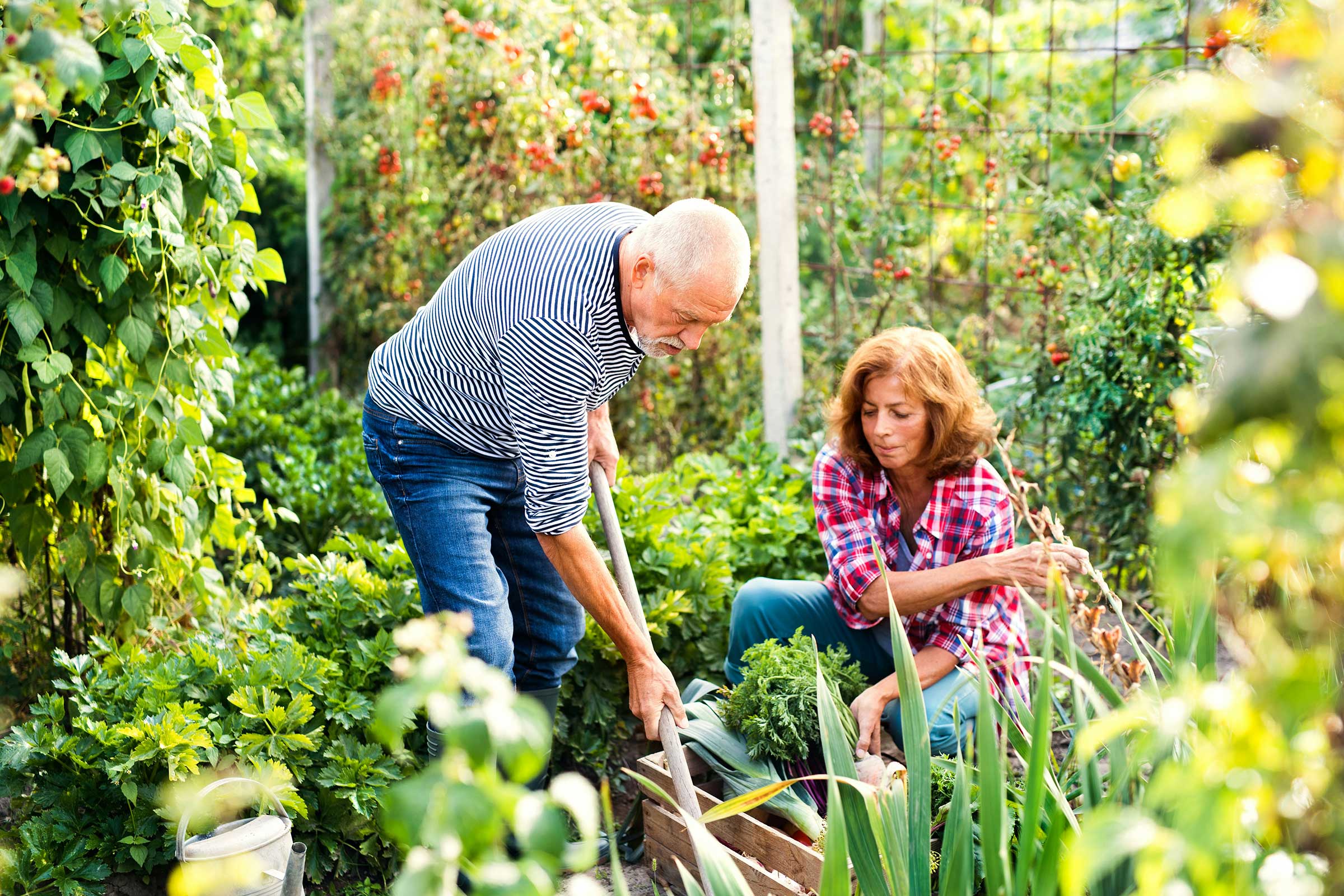
In our fast-paced, digitally driven world, finding moments of peace and connection can be challenging. Yet, one timeless activity continues to offer solace, purpose, and joy: gardening. Whether it’s tending to a backyard veggie patch, nurturing indoor plants, or participating in a community garden, the act of growing and caring for plants has profound benefits for our mental health.
A Natural Stress Reliever
Gardening is a gentle antidote to stress. Studies have shown that spending time in green spaces can lower cortisol levels—the hormone responsible for stress—and promote relaxation. The rhythmic tasks of digging, planting, and watering help calm the mind, offering a meditative escape from daily worries. I know if I don’t spend time outdoors then a start to tend the small things very annoying. It helps me find balance.
Boosting Mood and Mental Clarity
Exposure to sunlight while gardening increases serotonin production, a key hormone that stabilizes mood and promotes feelings of well-being. The physical activity involved also releases endorphins, which can help combat anxiety and depression. Even short periods spent in the garden can lead to improved focus and mental clarity
Cultivating Purpose and Achievement
Watching a seed grow into a thriving plant is a powerful reminder of patience, care, and progress. This is something I am not that great at. I haven’t set up a proper seed raising area with watering inbuilt. The days that I get busy doing other things, sometimes means a mass loss of seedlings due to drying out. I will stick to seedlings and perennials until I set this up properly. Gardening provides a sense of accomplishment and purpose, especially during times when life feels uncertain or overwhelming. Each bloom or harvest is a tangible reward for effort and dedication. It is great to see long term plans start to come together over time.
Connecting with Others
Community gardens and shared green spaces foster social interaction and collaboration. These environments encourage people to work together, share knowledge, and build relationships—key components of emotional resilience and mental well-being. Gardening can be especially beneficial for older adults, offering both physical activity and social engagement. It also provides an opportunity to share produce within your local community. I have some lovely neighbours. One collects lettuce etc from the local supermarket for my chooks. In return I am more than happy to share the eggs the girls lay.
Mindfulness and Connection to Nature
Gardening invites us to slow down and observe the natural world. It teaches mindfulness—being present in the moment—and deepens our connection to the cycles of life. This grounding experience can be incredibly therapeutic, helping us feel more balanced and in tune with ourselves and our surroundings. It gives you the opportunity to notice the small things. I was out feeding my sheep and checking on the garden the other day and a Splendid Wren came close to say hello. It was a great time to stop and savour the opportunity to enjoy the marvels of nature.
My Final Thoughts
Gardening is more than a hobby. Whether you’re planting herbs on a windowsill or cultivating a full garden bed, the benefits to your mental health are real and lasting. So grab a trowel, get your hands dirty, and let nature nurture your mind. Also, I don’t believe the garden has to be perfectly planned and full of the best garden beds ever seen. My veggie gardens are spread throughout my property wherever there is a space that works. Some were new when bought and others I have made from upcycled materials. You do whatever suits your situation, needs and wants. Eg Most of my planting has to be off the ground as we have a raging population of rabbits, raised beds become important.
